


Description
Product Overview
The Pebble Children Astronomy eBook titled Planets in Our Solar System offers a vibrant age appropriate exploration of the eight planets, designed specifically for readers aged six to eight. With 36 pages of carefully crafted content, the book balances factual information with engaging storytelling, making complex astronomical concepts accessible to young minds.
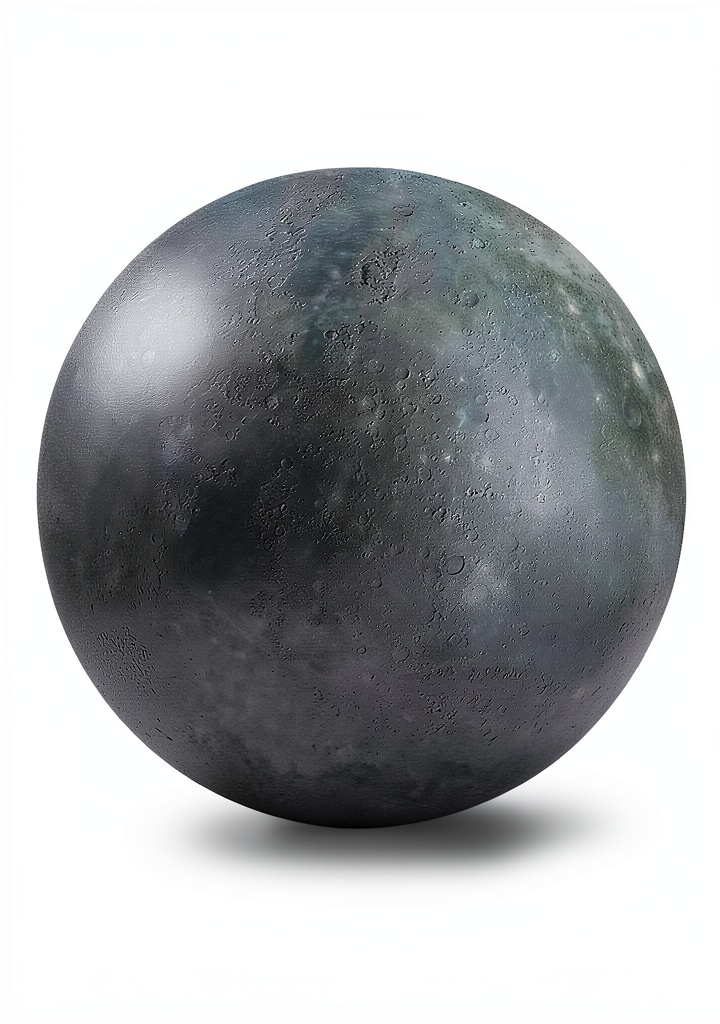
Each planet is presented with a full page illustration that captures its distinctive colors, surface features, and relative size. The illustrations are created in a style that appeals to children, using bold outlines and bright hues while avoiding overwhelming detail. Accompanying text is written in simple sentences, using familiar vocabulary and short paragraphs to support early reading skills.
The eBook format provides interactive features such as easy page navigation and adjustable font size, allowing parents and teachers to customize the reading experience. The file size of 8.5 MB ensures quick download and smooth performance on Kindle devices, while the Kindle compatibility guarantees that the book can be read on a wide range of tablets and smartphones.
Educational value is reinforced through a set of review questions at the end of the book, encouraging children to recall key facts about each planet. These questions are aligned with common core standards for science education, helping educators integrate the eBook into classroom lesson plans.
The publication date of August 1 2020 reflects the most recent planetary data available at the time, and the content has been reviewed by subject matter experts to ensure accuracy. The ISBN 9781977150714 provides a reliable reference for libraries and schools seeking to catalog the title.
Scientific accuracy is a cornerstone of this title. Each planetary description includes up to date data on orbital distance, average temperature, and notable moons, all presented in language that matches the comprehension level of early elementary students. The information has been cross checked against NASA fact sheets and peer reviewed astronomy textbooks, ensuring that young readers receive reliable knowledge that will not become quickly outdated.
The visual design process began with a team of child psychologists who identified the most engaging color combinations for young eyes. Bright primary hues are paired with softer background tones to create contrast without causing visual fatigue. Each illustration was rendered at high resolution to maintain clarity on both small tablet screens and larger Kindle devices, guaranteeing that details such as Saturns rings or Mars surface texture remain crisp.
The reading level aligns with grade 1 to 3 standards, offering short sentences and familiar vocabulary while introducing new scientific terms in a contextual manner. Word Wise and X Ray features are not enabled, allowing the reader to focus on the author narrative flow without automated assistance. This approach encourages independent comprehension and supports teachers who wish to assess reading progress without reliance on supplemental tools.
Educators can map the eBook content to national science standards, such as the Next Generation Science Standards (NGSS) for Earth and space sciences. The structured layout, with each planet occupying its own section, simplifies lesson planning and enables quick reference during classroom activities. Teachers can assign specific pages for group projects, encouraging collaboration and peer teaching among students.
Feedback from parents and teachers has been overwhelmingly positive, with many noting the books ability to spark curiosity and sustain attention during reading sessions. The average rating of 4.5 stars from eighteen reviewers highlights the quality of both content and presentation. Ongoing customer comments inspire future updates and reinforce Pebble commitment to delivering educational resources that resonate with young learners.
Beyond astronomy, the eBook encourages cross curricular connections by linking planetary facts to basic math concepts such as counting moons, comparing planet sizes, and calculating distances in simple units. Teachers can create supplemental worksheets that use the illustrated data to reinforce arithmetic skills, making the resource a versatile tool that supports both science and mathematics instruction.
Parental involvement is reinforced through suggested discussion prompts at the end of each planetary chapter. Parents are encouraged to ask open ended questions such as what you find most interesting about Venus or how would you describe the surface of Mars to deepen comprehension and foster a collaborative learning environment at home.
The eBook includes accessibility options such as adjustable font size and high contrast mode, ensuring that children with visual impairments can comfortably read the material. While advanced features like X Ray and Word Wise are not enabled, the simple design supports screen readers and other assistive technologies commonly used in educational settings.
Future editions may expand the series to include dwarf planets, asteroids, and comets, providing a broader view of our cosmic neighborhood. Pebble welcomes feedback from educators and families to shape upcoming releases, ensuring that each new title continues the tradition of engaging, accurate, and age appropriate science storytelling.
Usage
Ideal for bedtime reading, classroom instruction, or independent study, this eBook fits naturally into a variety of learning environments. Parents can share the book with their children during quiet evenings, using the vivid illustrations as conversation starters about space and science.
Teachers can incorporate the eBook into science units on the solar system, assigning specific planet pages for group projects or interactive discussions. The digital format allows for seamless sharing on classroom screens, and the lack of printed pages reduces waste while still delivering a rich visual experience.
The book also serves as a supplemental resource for homeschooling families, providing a structured yet flexible curriculum component. Children can explore the planets at their own pace, revisiting favorite sections as often as they like, which reinforces retention and builds confidence.
During family road trips, the eBook becomes an educational companion that transforms travel time into a discovery adventure. Children can flip through planetary pages while the car moves, turning idle moments into opportunities to discuss the night sky, fostering a habit of curiosity that extends beyond the screen.
Public libraries often include digital collections, and this title fits seamlessly into their eBook offerings. Librarians can recommend the book to young patrons seeking age appropriate science material, and the Kindle platform allows for easy borrowing and return, supporting community access to quality educational content.
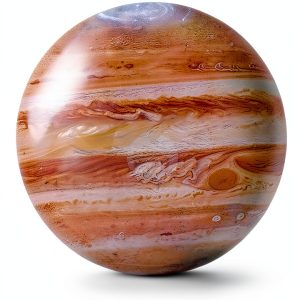
Many teachers integrate the eBook with interactive whiteboard software, projecting planetary pages for whole class viewing while guiding discussion. The clear layout and large illustrations make it simple to zoom in on specific features, such as Jupiters Great Red Spot, without losing image quality, thereby enhancing visual learning.
Why Choose Us
Pebble is a trusted publisher of educational children’s books, known for rigorous editorial standards and a commitment to high quality illustrations. Each title undergoes a thorough review process to ensure that content is both accurate and engaging.
Our Children Astronomy eBook stands out because it combines visual appeal with pedagogical soundness. The illustrations are not only attractive but also scientifically informed, depicting planetary features such as rings, moons, and atmospheric bands with fidelity appropriate for young readers.
Customer support is a core part of our service model. We offer responsive assistance for any technical issues, and our after sales team is available to answer questions about usage, compatibility, and educational alignment. This dedication to support gives parents and educators confidence in their purchase.
The digital format contributes to environmental sustainability by eliminating the need for paper printing and shipping. Parents and schools can reduce their carbon footprint while still providing a rich educational experience, aligning with growing expectations for eco friendly learning resources.
Pebble plans periodic updates to keep the content current as new discoveries emerge, and the author team remains available for consultation on curriculum integration. This proactive approach ensures that the eBook remains a relevant teaching tool for years to come, offering long term value to purchasers.
Key Features
- Full color illustration for each planet that captures unique characteristics.
- Simple age appropriate text that builds reading confidence and scientific vocabulary.
- Interactive Kindle format with easy navigation and adjustable font size.
- End of book review questions that reinforce learning and align with curriculum standards.
- Dedicated customer support team ready to help with technical or educational inquiries.
FAQ
What age range is this eBook suitable for?
The book is written for children ages six to eight, but older beginners and curious adults may also enjoy the clear explanations and vivid images.
Can the eBook be read on devices other than Kindle?
Yes, the file is compatible with any Kindle app, as well as most tablets and smartphones that support the Kindle format, allowing flexible reading across platforms.
Does the book include any interactive features?
The eBook offers tap to turn pages, adjustable text size, and a built in glossary for planetary terms, enhancing the learning experience without requiring additional software.
How can teachers use this eBook in a classroom setting?
Educators can assign each planet to small groups, use the illustrations as visual aids during lectures, and employ the review questions for quizzes or discussion prompts, aligning with science standards.
Is the eBook suitable for children with reading difficulties?
The book uses simple sentences and clear illustrations, which can aid children who struggle with decoding or attention. Parents may enable the adjustable font size to increase readability, and teachers can pair the eBook with guided reading sessions to provide additional support.
How often is the content updated to reflect new astronomical discoveries?
Pebble reviews the eBook annually and incorporates any significant planetary data revisions released by major space agencies. Minor updates are issued as needed, and purchasers are notified of changes through the Kindle store update notifications.
Additional Benefits
By introducing fundamental astronomical concepts early, the eBook helps build a foundation for future STEM education. Children who develop an interest in space are more likely to pursue subjects such as physics, engineering, and computer science later in their academic careers. The engaging format of the book serves as a catalyst for curiosity, encouraging learners to ask questions and seek answers beyond the pages.
The book also supports family learning evenings, allowing parents to co read and discuss scientific ideas with their children. Shared reading experiences strengthen bonds and provide opportunities for parents to model critical thinking and inquiry skills. This collaborative approach reinforces the educational value of the eBook and creates memorable moments that motivate continued exploration.
Long term retention is enhanced by the books repetitive structure, where each planet follows a consistent format of image, key facts, and a concluding question. This predictability aids memory formation, allowing children to recall information more easily after multiple readings. Educators can leverage this pattern to assess comprehension through quick oral quizzes, reinforcing the material without additional resources.
Learning Outcomes
After completing the eBook, children will be able to name all eight planets, identify at least two distinctive features of each, and explain basic concepts such as orbital order and relative size. They will also develop a sense of the vastness of the solar system, recognizing that Earth is one of many worlds orbiting the Sun.
The reading experience also strengthens language skills, as learners encounter new scientific terminology and practice comprehension through short passages. Additionally, the visual focus on planetary imagery supports spatial reasoning, helping children visualize three dimensional relationships in a two dimensional format, which is a foundational ability for later geometry and engineering concepts.
Teachers can assess mastery by using the review questions as quick checks, tracking progress over multiple reading sessions. The clear alignment with curriculum standards makes it easy to document learning outcomes for report cards or parent teacher conferences, providing measurable evidence of student growth in science literacy.






Reviews
There are no reviews yet.